The Benefits of Hydrotherapy: Who Can It Help Most?
Chances are you’ve come across the term hydrotherapy. You may even know that it involves exercising in water. But many people assume it’s only for elite athletes, people recovering from major surgery, or those with serious mobility problems. In reality, hydrotherapy can benefit a much wider range of people.
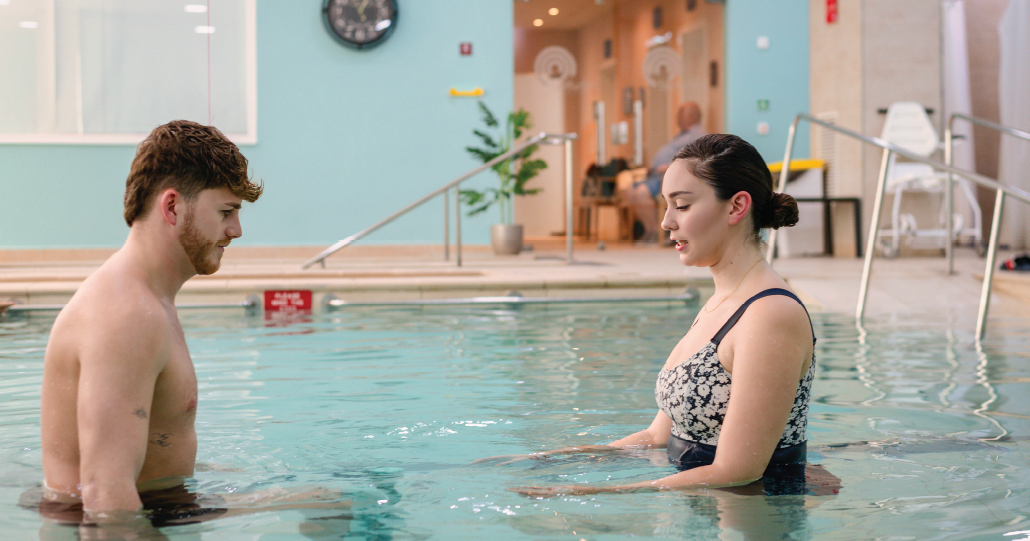
Because the exercises take place in a warm, specially designed aquatic therapy pool, the water helps support your body while reducing the strain placed on muscles and joints. In fact, water offloads up to 50% of body weight. This allows many people to move more comfortably than they can on land, making it particularly valuable for those living with pain, stiffness, weakness, or limited mobility.
Whether you’re recovering from an injury, managing a long-term condition, or simply finding traditional exercise uncomfortable, hydrotherapy could be an effective and gentle way to regain strength, improve movement, and build confidence. Here’s a closer look at who can benefit most from this unique form of aquatic physiotherapy and why.
Is Hydrotherapy Right for You?
One of the biggest misconceptions about hydrotherapy is that it’s only for people with severe injuries or mobility problems. In reality, it’s suitable for a wide range of people because the water creates an environment where movement becomes easier, safer and more comfortable. Here are some of the groups who often benefit the most.
People living with arthritis
For people with osteoarthritis or rheumatoid arthritis, everyday movement can sometimes feel painful, making it difficult to stay active. Hydrotherapy offers a gentler alternative. The warmth of the water helps relax muscles, while its natural buoyancy reduces the pressure placed on painful joints, allowing exercises that may be uncomfortable on land to become much more manageable.
Research consistently shows that aquatic exercise can reduce pain, ease stiffness, improve joint function and enhance quality of life for people with arthritis. In fact, studies have found that water-based exercise often performs as well as, and sometimes better than, equivalent land-based exercise for people whose joint pain limits movement. During a hydrotherapy session, physiotherapists may guide patients through walking exercises, gentle squats, leg raises, balance work and strengthening exercises, all adapted to their individual ability.
People with chronic pain
Persistent conditions such as chronic lower back pain or fibromyalgia often create a cycle where pain discourages movement, which then leads to weaker muscles and even more discomfort. Hydrotherapy helps break that cycle.
Because the water supports part of your body weight, it becomes easier to move with less pain while gradually rebuilding strength and mobility. Research has shown that aquatic physiotherapy can reduce pain, improve function and enhance quality of life in people with chronic back pain. Exercises may include gentle walking, core stability work, controlled stretches and range-of-motion exercises that help improve movement without placing unnecessary stress on the body.
People with neurological conditions or balance problems
Hydrotherapy can also be particularly valuable for people living with neurological conditions such as Parkinson’s disease, multiple sclerosis or following a stroke.
The water provides a safe, supportive environment where patients can practise walking, balance and coordination exercises with a much lower risk of falling. Research has found that aquatic therapy produces improvements in balance, walking and mobility that are comparable to traditional physiotherapy, with some studies even showing greater improvements in certain mobility tests. A physiotherapist may incorporate stepping exercises, reaching tasks, gait training and balance activities to help improve confidence and everyday function.
People recovering from surgery or sports injuries
Hydrotherapy has long been an important part of rehabilitation following orthopaedic surgery and sporting injuries. After procedures such as hip or knee replacements, ligament reconstruction or shoulder surgery, patients often need to regain movement without placing excessive stress on healing tissues.
The buoyancy of the water reduces weight-bearing on joints while still providing gentle resistance to strengthen muscles. This allows people to begin rebuilding strength, flexibility and confidence earlier than they might be able to on land. Athletes also use hydrotherapy to maintain fitness during recovery, reduce muscle soreness and safely return to activity through exercises such as water walking, resisted jogging and controlled strengthening movements. A guided rehabilitation programme helps you progress through each stage safely, without setbacks along the way.
Experience the Benefits of Hydrotherapy at Revive in Malta
If any of the conditions or situations we’ve discussed sound familiar, hydrotherapy could be an effective way to reduce pain, improve mobility, and regain confidence in movement. The best place to start is with one of the qualified physiotherapists at Revive Physio and Aquatic Therapy Centre in Naxxar. Following a thorough assessment, they’ll recommend whether hydrotherapy is the right approach for your needs and create a personalised programme to help you move safely and comfortably. Sessions take place in our purpose-built hydrotherapy pool, heated to 32 to 34 degrees C and the only dedicated aquatic therapy pool of its kind in Malta.
And hydrotherapy isn’t just for rehabilitation. If you’re simply looking for a low-impact way to stay active, improve your strength and balance, or enjoy exercising in a supportive environment, Revive’s Aquafitness classes are a fantastic option. Led by experienced physiotherapists in a warm-water hydrotherapy pool, these guided group sessions combine the proven benefits of water-based exercise with the motivation and social connection of exercising alongside others.
Curious about what the water could do for you? Book a hydrotherapy session at Revive today, or read our guide to what hydrotherapy is and how it supports recovery.