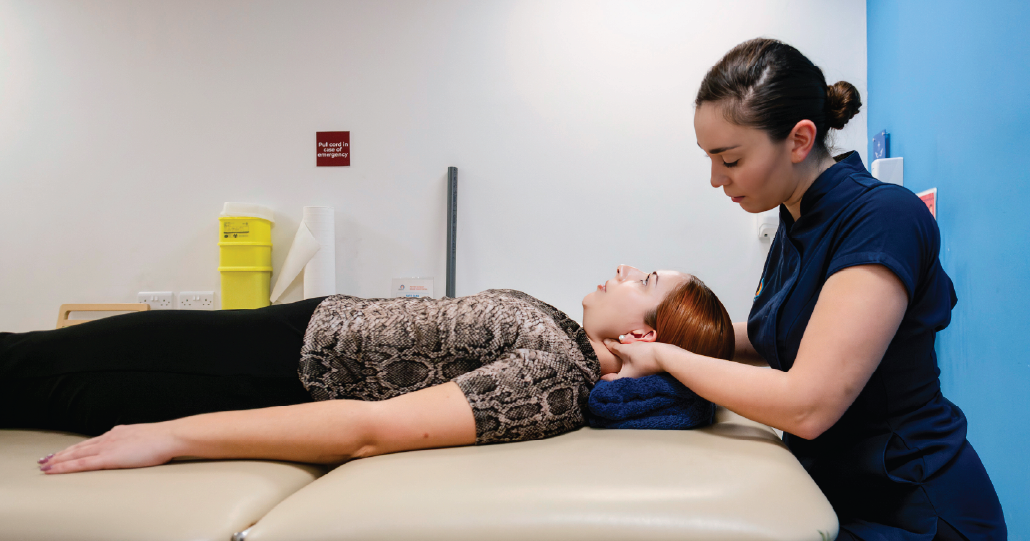
Sports Massage or Physiotherapy: What’s the Difference?
If you train hard and play sport regularly, you are likely to pick up a niggle here or there. However, if that sprain or strain doesn’t feel like it’s going away, you may not be sure whether it’s serious enough to need professional attention, or what kind of help to look for.
When it comes to sports massage vs physiotherapy, both can play a role in sports recovery, but they aren’t interchangeable. Sports massage generally focuses on the soft tissues and can be useful for muscle tightness, post-training soreness and helping you feel more comfortable after exercise. Physiotherapy takes a broader approach, looking at your movement, strength, symptoms and the nature of an injury to guide rehabilitation and a safe return to activity.
There is also some overlap between the two. Depending on your needs, combining physiotherapy with sports massage may form part of a wider approach to recovery and staying active.
Sports Massage vs Physiotherapy: Which Do You Need?
The right option depends on what your body is experiencing and what you’re trying to get back to. While there is some overlap, sports massage and physiotherapy have different roles.
When Sports Massage May Be What You Need
If your muscles simply feel tight or tired after a hard training session, a sports massage may be useful. It can be particularly relevant when you’re dealing with general post-exercise soreness, stiffness before or after an event, or the demands of regular, intensive training.
For example, if your legs feel heavy after a long run or your shoulders and back feel tight after repeated gym sessions, massage can help you feel more comfortable and address soft-tissue tightness.
Sports massage can therefore form part of a wider recovery routine. However, massage isn’t designed to diagnose an injury or provide a progressive rehabilitation programme when something has actually been injured.
When to See a Sports Physiotherapist
If you’ve picked up an injury, or pain isn’t settling as expected, physiotherapy is usually the more appropriate starting point. This is particularly relevant if you have swelling or significant bruising, noticeable weakness, a joint that feels unstable, or a change in how you move or perform in your sport.
This is where knowing when to see a sports physiotherapist can make a difference. A physiotherapist can assess the problem, identify factors that may be contributing to it, and work with you to restore movement, strength and function before gradually rebuilding the demands of your sport. If strength has not fully come back after an injury, our article on muscle weakness in sport explains why this matters.
Depending on the injury and your individual needs, sports injury rehabilitation might include targeted exercise, movement retraining, hands-on treatment and progressive loading.
When You May Benefit From Both
Of course, it doesn’t always have to be one or the other. Someone recovering from an injury may benefit from physiotherapy to provide the rehabilitation plan, while sports massage complements that programme by addressing muscle tightness or supporting recovery between training sessions.
For example, a runner returning after a calf injury may need physiotherapy to rebuild calf strength, running capacity and tolerance to training, while massage could form part of their wider recovery routine where appropriate.
The key is understanding that sports massage can complement rehabilitation, but it shouldn’t replace assessment and progressive rehabilitation when an injury needs treatment. For many athletes, combining the two, alongside good habits for sports injury prevention, forms part of a broader approach to sports rehabilitation.
Physiotherapy for Athletes and Sports Rehabilitation in Malta
At Revive Physio & Aquatic Centre in Naxxar, highly qualified physiotherapists can assess sports injuries, movement and strength and create a rehabilitation programme around your sport and goals. For athletes looking for sports physiotherapy in Malta, this personalised approach helps determine what kind of support is most appropriate for your recovery.
Whether you’re dealing with an injury, returning to training or simply looking for support with recovery, the team can help decide whether physiotherapy, sports massage or a combination of approaches is right for you. Treatment may include rehabilitation exercises, movement retraining, progressive strengthening, hands-on therapy or sports massage, and Revive’s sports recovery sessions use compression boots, contrast baths and the hydrotherapy pool to help reduce fatigue between training blocks. Evening appointments make it easier to fit sessions around work and training.
Book a Sports Injury Assessment
Don’t guess your way through an injury. Book a sports injury assessment with Revive and get the right support to help you return to the activities you enjoy.
Frequently Asked Questions
What’s the main difference between sports massage and physiotherapy?
Sports massage mainly focuses on soft-tissue tightness, post-exercise soreness and recovery, while physiotherapy takes a broader approach to assessing injuries, movement, strength and rehabilitation. The two can also complement each other as part of an athlete’s wider recovery plan.
When should I choose physio for a sports injury?
Consider seeing a physiotherapist if pain persists, or if you have swelling or significant bruising, noticeable weakness, joint instability, restricted movement or you can’t perform your sport normally. Physiotherapy can assess the injury and guide a progressive return to training.
Where can I go for sports physiotherapy in Malta?
Revive Physio & Aquatic Centre in Naxxar offers sports physiotherapy, with highly qualified physiotherapists who tailor treatment to your training, recovery needs and sporting goals.