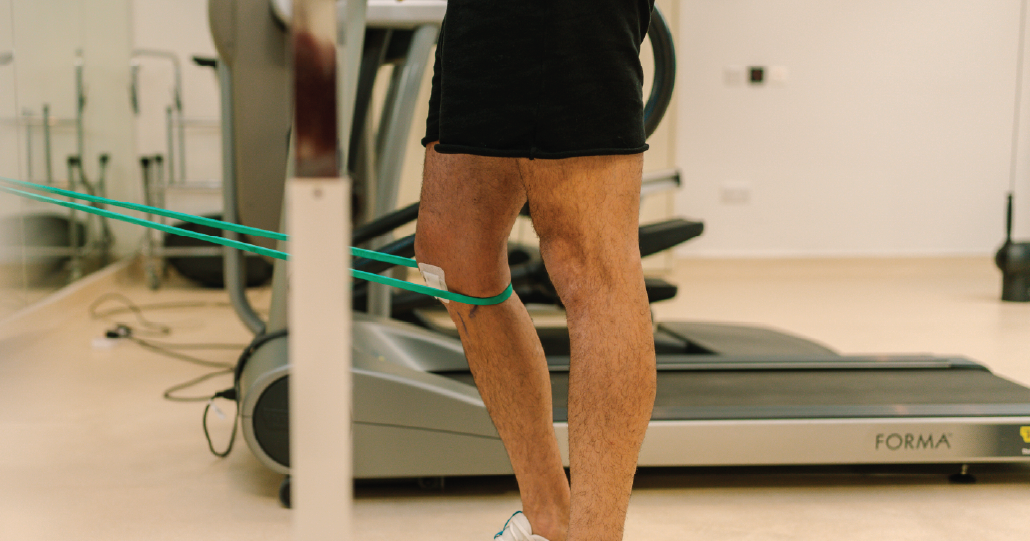
Physiotherapy for Knee Pain: Understanding the Cause Before It Gets Worse
Sometimes knee pain is simply the result of a little strain from exercise or doing more than your body is used to, and it may settle within a few days. But when you start avoiding the stairs, putting less weight on one leg while walking or struggling to get up from a chair, it could be a sign that your knee needs more attention, and that physiotherapy for knee pain is worth considering.
If the pain persists for several weeks or keeps coming back, speaking to a physiotherapist can help you understand what’s causing it and what you can do to manage it. A professional assessment looks at your movement, strength, mobility and everyday activities, helping you understand what your knee needs and how to stop the problem from continuing to affect your routine.
What Is Your Knee Pain Trying to Tell You?
Rather than simply treating the painful area, physiotherapy for knee problems can help you understand what your pain may be telling you about how you’re moving. The symptoms you notice during everyday activities give your physiotherapist useful clues about what needs attention. Here are some questions worth asking yourself.
Is Your Knee Painful When You Climb Stairs?
Climbing stairs places more demand on the muscles around your knee and hip than walking on flat ground. If you notice pain when going upstairs, stepping down or even stepping onto a pavement, it may be linked to reduced strength, mobility or how your leg is moving. A physiotherapist can assess how your knee, hip and ankle work together and introduce targeted strengthening and movement exercises to make these everyday movements more comfortable.
Does It Hurt When You Get Up From a Chair?
Standing up might seem like a simple movement, but it requires your knees, hips and thigh muscles to work together to lift your body weight. If you find yourself pushing off the arms of a chair, taking your time to stand or avoiding low seats altogether, it may be a sign that your knee needs attention. Physiotherapy can assess your strength and movement and use exercises such as controlled sit-to-stands or squats to gradually rebuild your ability to perform the movement comfortably.
Does Your Knee Swell After Activity?
If your knee becomes swollen after exercise, a long walk or simply being on your feet for a busy day, it may be reacting to increased load or an underlying injury. Rather than repeatedly pushing through the swelling, it is useful to understand what is provoking it. A physiotherapist can help you modify your routine where needed while gradually rebuilding your knee’s capacity.
Does Your Knee Feel Weak or Unstable?
A knee that feels weak, wobbly or as though it might “give way” can quickly affect your confidence. You may start avoiding stairs, uneven ground, exercise or activities you previously enjoyed. Rehabilitation can focus on knee strengthening, alongside balance and movement-control exercises, to improve how confidently your leg handles different movements. If the weakness followed a sports injury, our article on muscle weakness in sport explains why strength does not always return on its own.
Has Your Knee Gradually Become More Painful?
Not all knee pain starts with a specific injury. Gradually increasing pain, stiffness or difficulty with everyday activities can occur with conditions such as osteoarthritis. Physiotherapy for chronic knee pain can help you manage these symptoms through appropriate strengthening, mobility work and gradual activity. Importantly, persistent knee pain doesn’t automatically mean you should stop moving. The right level and type of exercise can help maintain strength, mobility and function while allowing you to stay active as you get older.
Give Your Knees the Attention They Need
If you’re looking for knee pain treatment in Malta, the highly qualified team at Revive Physio & Aquatic Centre in Naxxar offers a personalised approach that identifies what may be contributing to your symptoms and how rehabilitation can support your recovery.
Your programme is then tailored to your needs, whether you’re recovering from a knee injury, managing chronic knee pain or trying to return to exercise. Depending on your assessment, treatment may include mobility work, progressive strengthening, movement retraining, hands-on treatment or hydrotherapy in Malta’s only dedicated aquatic therapy pool of its kind. When weight-bearing is uncomfortable, hydrotherapy for knee rehabilitation can be a useful starting point, and if you are active in sport, our sports injury prevention guide covers how to protect your knees going forward. Evening sessions are also available.
Book Your Knee Pain Assessment
Book a physiotherapy session with Revive for a full knee pain assessment and a clear plan to get you moving comfortably again.
Frequently Asked Questions
Where can I find knee pain treatment in Malta?
At Revive Physio & Aquatic Centre in Naxxar, highly qualified physiotherapists provide personalised knee pain treatment based on your symptoms, movement and rehabilitation goals. Depending on your needs, treatment may include strengthening, mobility work, movement retraining, hands-on therapy or hydrotherapy.
What is a common knee injury?
A common knee injury is a ligament sprain, which can occur following a sudden twist, change of direction or impact. Meniscus injuries and muscle or tendon strains are also common, particularly during sport and physical activity.
What are common knee rehabilitation exercises?
Knee rehabilitation exercises can include sit-to-stands, squats, step-ups, bridges, calf raises and resistance-band exercises. The right exercises depend on the injury or condition and should be progressed according to your symptoms and recovery.