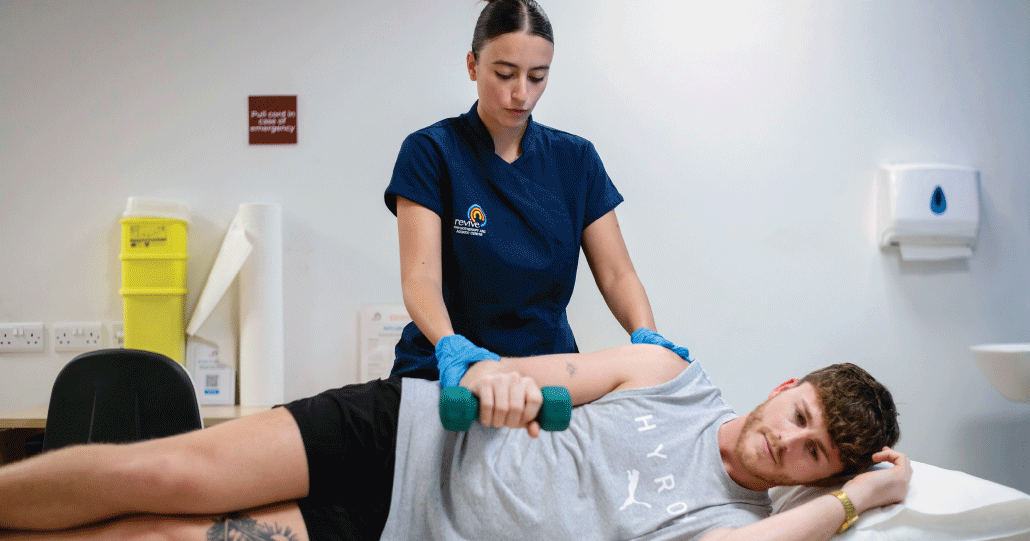
Sports Injury Prevention: How to Protect Your Body and Improve Performance
If you’re serious about your sport, you’ll know that improving performance isn’t just about practising your chosen discipline. Whether you’re a runner, footballer, swimmer, cyclist or gym enthusiast, there are many other elements that contribute to becoming a stronger, more resilient athlete. Sports injury prevention is one of them.
Modern sports science consistently shows that athletes who follow structured strength and conditioning programmes, including resistance training, plyometrics and core exercises, not only improve their performance but also experience fewer injuries. Stronger muscles provide better support for joints, improve movement mechanics and technique, and help the body cope with the physical demands of training and competition.
This is where physiotherapy plays an important role. Alongside treating injuries, physiotherapists help athletes build strength, improve mobility and identify weaknesses before they become problems. If you’re new to injury prevention training, the techniques below are an excellent place to start. However, for the best results, always work with your coach, sports therapist or physiotherapist to ensure your programme is tailored to your body, training goals and any previous injuries.
Key Areas to Focus On for Sports Injury Prevention
Injury prevention isn’t about wrapping yourself in cotton wool or avoiding challenging training sessions. It’s about preparing your body to cope with the physical demands of your sport.
Physiotherapists take a proactive approach, identifying weaknesses, movement patterns and training habits that could increase your risk of injury before they become a problem.
Here are some of the most important areas to focus on.
1. Warm up properly
A good warm-up is about far more than simply getting your heart rate up. Research shows that spending 5 to 15 minutes warming up with light cardiovascular exercise, dynamic stretches and sport-specific movements prepares your muscles and joints for the demands ahead. As muscle temperature increases, blood flow improves, muscles contract more efficiently and your body is able to generate force more safely.
Rather than holding static stretches before exercise, physiotherapists often recommend dynamic movements such as walking lunges, leg swings, high knees or controlled arm circles to take joints through their full range of motion. This helps your body transition smoothly into training and reduces the likelihood of muscles or tendons being caught unprepared during sudden movements.
2. Improve mobility and movement quality
Strength alone isn’t enough if your body isn’t moving efficiently. Good mobility allows your joints to move through their full range without placing unnecessary stress on muscles, tendons and ligaments.
A physiotherapist will often assess how you squat, lunge, run, jump or change direction to identify movement patterns that could eventually lead to injury. Training may include foam rolling, active stretching, single-leg balance exercises, core stability work and mobility drills to improve flexibility, coordination and body control. Small adjustments to running technique, landing mechanics or lifting form can make a significant difference in reducing stress on the knees, hips, ankles and lower back while also improving athletic performance.
3. Manage your training load
Many sports injuries don’t happen because of one dramatic incident. They develop gradually through doing too much, too soon.
One of the key roles of physiotherapy is helping athletes balance training with recovery. Gradually increasing intensity and volume allows the body time to adapt, while incorporating cross-training activities such as swimming, cycling or gentle exercise in a hydrotherapy pool can reduce repetitive strain by working different muscle groups. Physiotherapists also encourage active recovery sessions and help athletes recognise early warning signs such as persistent soreness, unusual fatigue or declining performance before they develop into more serious overuse injuries.
4. Don’t overlook recovery
Recovery is where your body adapts and becomes stronger. While cooling down won’t prevent every injury, a few minutes of gentle movement followed by stretching can help your heart rate gradually return to normal and reduce post-exercise tightness.
Recovery also extends well beyond the training session itself. Quality sleep, good nutrition and proper hydration all play a vital role in repairing muscles, replenishing energy stores and preparing your body for the next session. Physiotherapists understand that peak performance isn’t built through training alone. It’s the combination of smart training, effective recovery and consistent injury prevention strategies that allows athletes to perform at their best over the long term.
Prime Your Body for Performance with Revive in Malta
The best athletes don’t wait until they’re injured to see a physiotherapist. They make injury prevention part of their training. Whether you’re preparing for your next race, competing regularly, returning to sport after a break, or simply looking to stay active without setbacks, the physiotherapists at Revive Physio and Aquatic Therapy Centre in Naxxar can help you build a stronger, more resilient body.
Through detailed movement assessments, personalised strength and mobility programmes, sport-specific rehabilitation and expert guidance, our team works with you to identify potential weaknesses before they become injuries. The result is a training programme that’s not only designed to improve performance, but also to help you train consistently, recover effectively and stay active for longer. Evening sessions are also available, so you can fit sports physiotherapy around work and training commitments.
Want to stay one step ahead of injury? Our sports recovery sessions combine compression boots, contrast baths and the hydrotherapy pool, the only dedicated aquatic therapy pool of its kind in Malta, to help you recover between sessions. Book a sports injury rehabilitation session at Revive today and keep your body ready for whatever your sport demands.