What Is Hydrotherapy and How Can It Support Your Recovery?
There are times when your body needs to rebuild strength. Perhaps after an injury, strain, or surgery, the usual ways of exercising feel difficult or painful. Activities like walking, jogging, or lifting weights may no longer feel manageable, leaving you in a frustrating in-between stage. You know you need to move, but you’re unsure how to do it safely without making things worse.
This is where hydrotherapy becomes especially helpful. Hydrotherapy for pain relief uses water to support your body while you move. Thanks to buoyancy, your body feels lighter, reducing pressure on joints, muscles, and injured areas. This means you can move more freely and start rebuilding strength in a gentle, controlled way, without the strain of high-impact exercise.
In this article, we cover what hydrotherapy involves and the conditions it can help with, so you can decide if it is right for you. You may also find it helpful to read our guide on how physiotherapy can support your daily activities.
Aquatic Therapy Explained
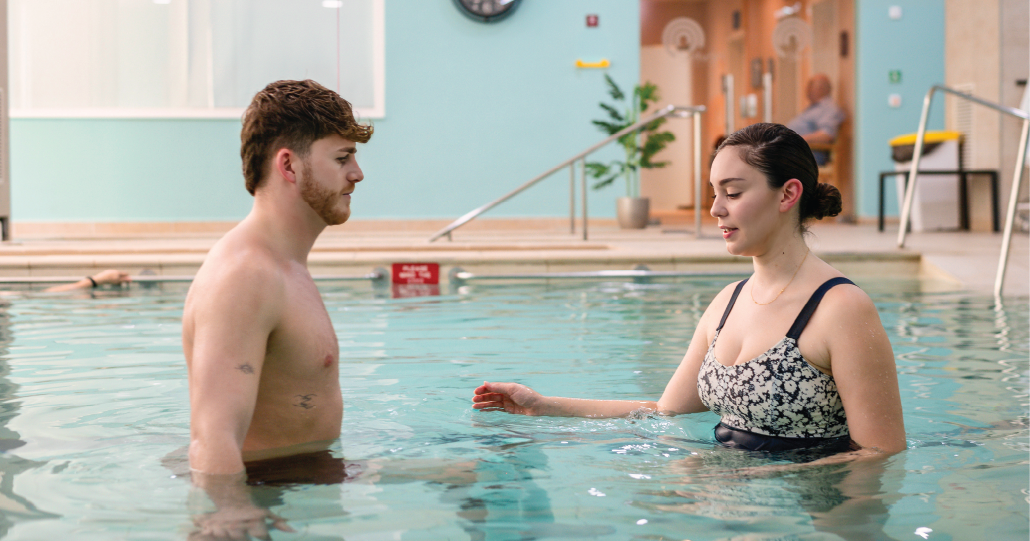
Hydrotherapy is best understood as physiotherapy in water. Instead of exercising on land, you’re guided through movements in a purpose-built therapy pool where the water supports your body and becomes part of the treatment. This is very different from a regular swimming pool.
Hydrotherapy pools are warmer, typically between 32 and 34°C, which helps muscles relax and reduces stiffness. They are also designed with ramps and easy access, controlled depth, and a calm, private setting focused on recovery. You can see our hydrotherapy pool and facilities in Naxxar.
The real value, however, comes from working with a physiotherapist. Rehabilitation in a hydrotherapy pool is guided and tailored to your condition, ensuring you’re doing the right movements in the right way. Your physiotherapist will adjust your exercises as you progress, helping you build strength safely without risking further injury.
Conditions Treated with Hydrotherapy
Hydrotherapy has very specific uses and is especially beneficial for certain types of conditions. One of its key advantages is that water reduces joint stress, making movement safer and more comfortable during recovery.
Aquatic physiotherapy is particularly effective for musculoskeletal injuries such as sprains, muscle strains, ligament damage, and post-fracture recovery. It is also widely used after surgery, especially knee, hip, or ankle procedures, to help restore movement and rebuild strength. It is equally beneficial for sports injury rehabilitation and rebuilding fitness after inactivity.
People with chronic conditions like arthritis, back pain, or joint stiffness often benefit from the low-impact support water provides. What’s more, hydrotherapy can also aid neurological conditions such as stroke or multiple sclerosis by helping retrain movement in a controlled environment.
Benefits of Water-Based Therapy
Aquatic therapy offers a unique combination of support and resistance that you simply don’t get on land. If you’re interested in group water-based exercise, take a look at our Aquafitness and Aquanatal classes. Hydrotherapy benefits include:
- Reduced weight-bearing: Water supports your body, helping reduce pressure on joints and injured areas.
- Gentle strength building: Natural resistance works muscles evenly without the strain of heavy weights.
- Improved movement: You can move more freely and with less pain during recovery.
- Pain relief and relaxation: Warm water helps ease stiffness, relax muscles, and improve circulation.
- Better balance and coordination: Slower movement in water allows for greater control and stability.
Hydrotherapy at Revive
If you would like to find out whether hydrotherapy could help with your recovery, our team at Revive is happy to advise you. We have a purpose-built aquatic therapy pool, the only dedicated facility of its kind in Malta, and our qualified physiotherapists will build a treatment plan around your specific needs and goals.
Get in touch today to book a hydrotherapy consultation and see how it could help you move more freely and feel stronger.